


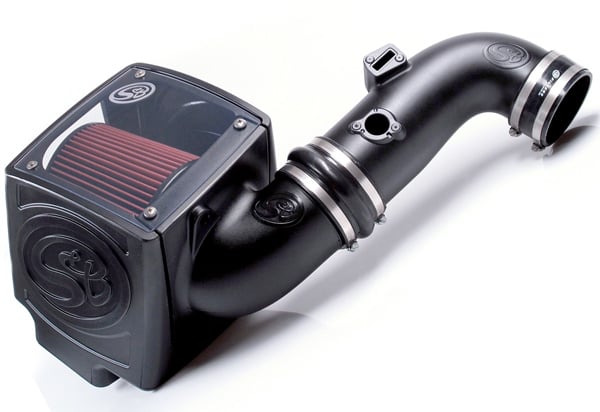
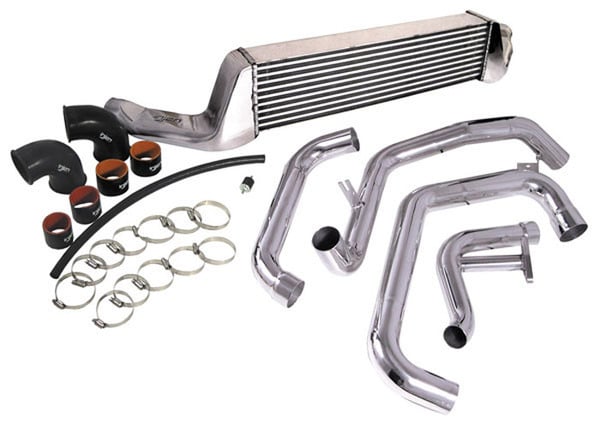
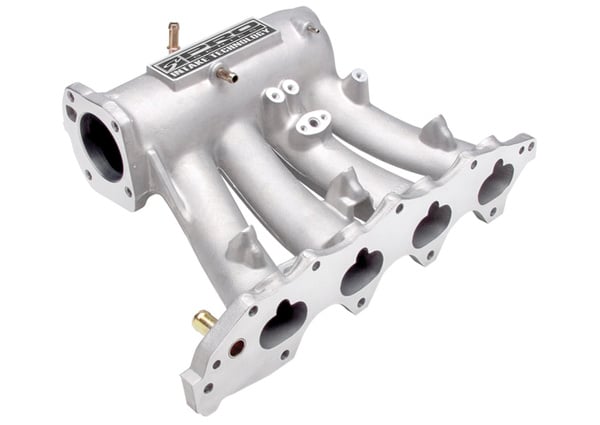

When you install a performance air intake system, you gain a more efficient and powerful engine. A greater amount of oxygen is supplied to your engine's combustion chamber, allowing cold air and RAM air intakes by companies such as K&N or Injen to facilitate a cleaner burn, generating greater torque and more horsepower. Installing a performance intake also increases your gas mileage, saving you money in the long run.
The installation job itself isn't the hardest in the universe, but there is some work involved. Even so, you don't need to pay a mechanic to install one of these systems for you, and the satisfaction of a job well done is the main thrill of doing it yourself. Be sure to follow directions and pay close attention to what is being removed, and from where, so that you can be confident in where to reattach everything when installation is complete.
The following directions should serve as a general guide to installing a cold air intake system, the most popular kind of performance intake system.
How To Install a Cold Air Intake System
- Open your product's packaging and make certain all necessary installation materials and hardware are accounted for. You don't want to be stuck without an important part in the middle of an installation.
Helpful Hint:Be sure to allow your engine to completely cool before starting this installation process. You will be reaching into and around sensitive engine compartments, and if you start before your engine has totally cooled, you run the risk of burning yourself.
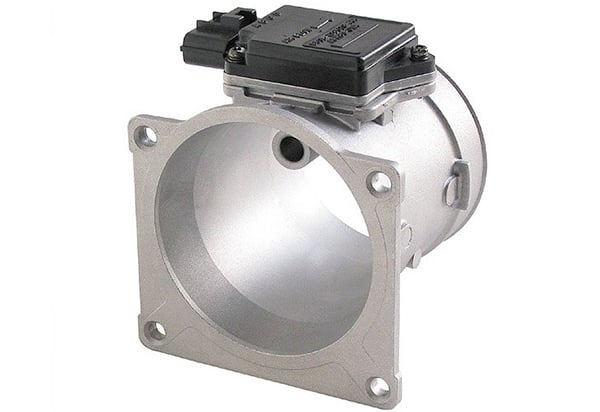
- Turn off your vehicle's ignition, and disconnect your battery cables. Remove your radiator cover/dust shroud, and remove your intake tube. If applicaple, you will also need to remove your engine cover. Remove your crank case hose, and disconnect your vehicle's electrical air flow sensors. Lastly, remove your air box, and disconnect the mass air flow sensor from it.
- Assemble your intake's heat shield. This will usually require attaching mounting brackets and rubber trim and then connecting your mass air flow sensor to its underside. Sometimes, you will be required to cut the rubber trim to the proper size. Remember to make absolutely certain you are following your product's exact directions during this step, as the particular intricacies of each system differ. The most important consideration in this step is that you properly assemble your heat shield exactly as laid out in your product's instructions. There should be a large tube end available to connect the air filter to the intake tube.
- When the heat shield is properly assembled, attach the air filter to the instructed position opposite where the intake tube will be attached (as the filter will feed directly into the tube). Tighten all necessary connectors. At the end of this process, you should have a piece of equipment similar in size to the air box which you previously removed. Your new system will fit into the vacated air box cavity.
- Install the heat shield/air filter combo into your engine cavity. Do what is necessary in this process to retain and properly use key components such as splash guards and mounting brackets. The factory mounting positions from which you removed your air box should be used to mount your new heat shield and filter, as your new intake system will be made specifically for your vehicle.
- Attach any vent fittings and remaining connective parts to your intake tube. Once ready, connect your intake tube to your heat shield/filter combination on one end and to your engine on the other. This may involve attaching and securing silicone hose ends, one to your throttle body and the other to the far end of the tube itself. However it is managed, this step entails seemlessly connecting your filter and heat shield to your throttle body.
Please note:Every air intake system has a different method of installation. What you see here is a simple guide that generally covers cold air intake systems. Closely follow ALL of your particular part's instructions, in the greatest possible detail. That is the only way to ensure a proper installation.
- Tighten and secure everything: all hose clamps, all gaskets, all bolts and fasteners. When we say tighten, we mean as tight as humanly possible. Under no circumstances is it advisable, or even acceptable, for these connectors to come loose at any moment during vehicle operation.
- Reattach all vents and sensors unhooked in Step #2, including crank case vent hoses, battery cables, electrical sensors, engine covers, and/or radiator covers.
- Make sure everything is properly attached and fully tightened. When you have determined this is so, start your engine and listen to that baby purr! It is recommended that every couple hundred miles you check your gaskets, fasteners, and hose clamps to ensure they've retained their tightness, at least through the first thousand miles. You can never be too careful, and bad things WILL happen if this system comes undone during operation.
Below, you will find a detailed installation video for the K&N FIPK Intake System:
Conclusion
A performance air intake system improves the way your engine operates in a number of different ways. Once installed, you will understand exactly what all the fuss is about. We hope the directions posted above are helpful to you, but if you run into difficulties at any point throughout your installation process, do not hesitate to call our knowledgeable and dedicated Customer Service team at 800-663-1570.


