


Suspension
Categories
Want to learn more? Read our:
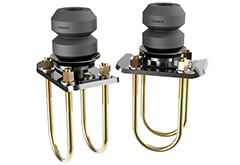
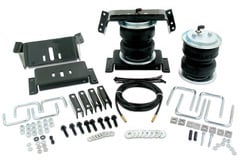
Air Suspension
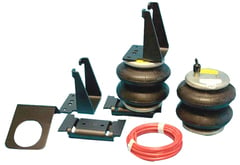
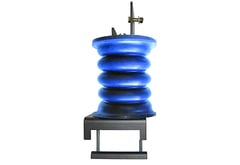
Air springs support your suspension with a cushion of air. They dramatically improve your handling and ride comfort, and inflate or deflate for height adjustment.Alignment Kits
When you lower your ride, your tires may excessively tilt inward. Keep your dropped ride's handling and traction at its peak with an Alignment Kit.Bushings & Mounts
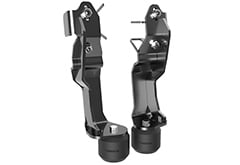
The mount bushings in stock vehicles are typically made of soft rubber, which breaks down quickly and ruins your ride quality. Replace those weak bushings with firm, ultra-durable polyurethane components.Leaf Springs & Coil Springs
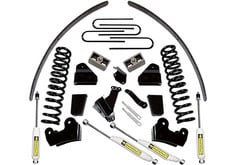
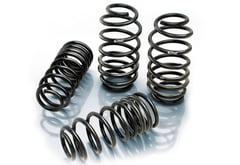
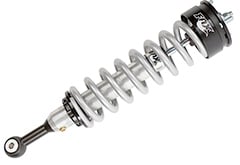
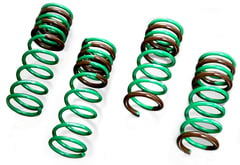
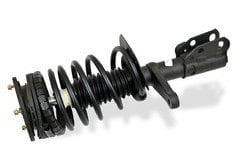
Lower and stabilize your suspension with our Leaf and Coil Springs. Whether you're a hauler or a racer you'll get a tighter ride with less acceleration squat, body roll, and nose dive.Lift Kits
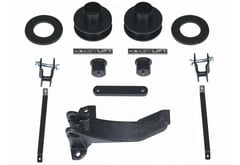
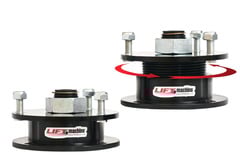
Need more tire clearance for off roading or just looking to have the distinct "lifted" look? Checkout a ReadyLift, Daystar, or Tuff Country Suspension Lift Kit from Auto Accessories Garage.Lowering Kits
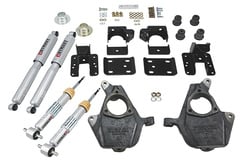
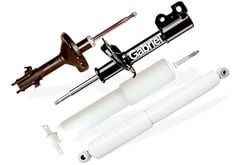
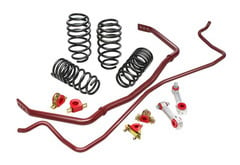
Lowering Kits drop your vehicle's center of gravity, reducing body roll, acceleration squat, and nose-dives. Lowering Kits give you race-ready and road-dominating handling.Performance Shocks
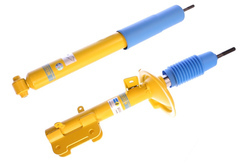
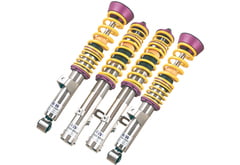
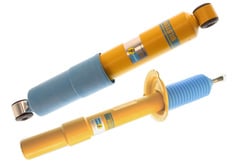
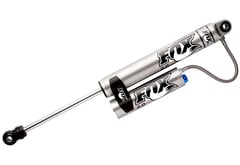
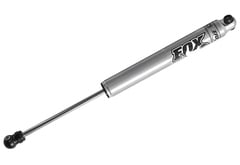
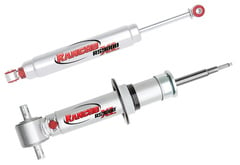
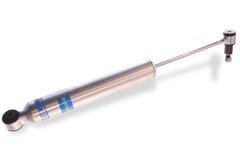
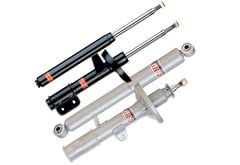
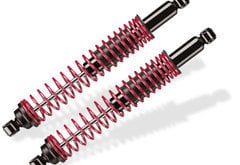
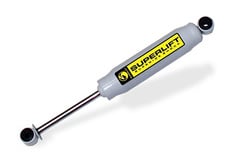
Take your suspension to the next level with our Performance Shocks. Our Shocks are expertly tuned and engineered to give you the best handling, safety, and comfort.Performance Suspension
World-class racing performance is not out of reach with our Performance Suspension systems. Even the daily driver and part-time racer will get huge gains in handling and ride quality.Steering Components
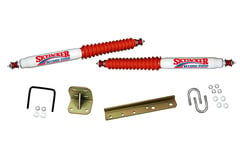
Take full control of your ride with custom Steering Components. Stabilize your steering for better handling whether you ride a street racer or a lifted truck.Suspension Components
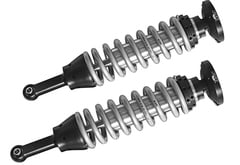
Finish off your suspension upgrade for maximum performance with an array of Suspension Components.Sway Bars
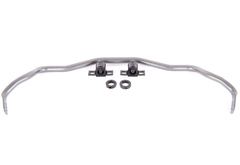
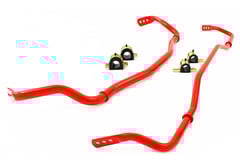
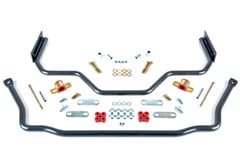
Minimize body roll on your turns with a Sway Bar. With higher stiffness compared to stock, our Sway Bars let you better fine-tune your steering and handling quality and safety.Wheel Spacers
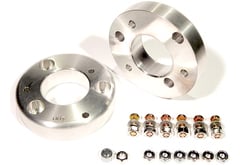
Wheel Spacers give your ride the final touch, both in looks and in performance. They quickly and easily widen your stance for aggressive race looks and a more stable stance.About Suspension
Lift yourself to comfort or drop down for cruising style with a performance Suspension system. However you need to change your truck to get the most out of it for your specific purpose, we have the springs or shocks to get you there.
If you drive a Wrangler off road, pick it up with a Jeep Wrangler Suspension lift and tackle the toughest of obstacles. Performance Lincoln Navigator Suspension components give your SUV a height boost for a greater presence on the road. On the other hand, you may be looking to drop your Civic down for better on-road performance and killer looks, in which case we have the Honda Civic Suspension parts for that job, too. Or if you're just looking for better components without the height change, we carry all the coil springs, leaf springs, and performance shocks you'd need.
We also carry many options, such as Air Springs for those of you looking for top comfort and cargo-hauling versatility. Our air suspensions set your ride on a cushion of air for improved comfort, braking, and overall performance, especially while towing. With these systems you can even raise or lower your vehicle on the fly.
Here you'll find anti-roll/anti-sway kits, wheel spacers, and alignment kits to greatly improve your handling and performance. You'll also find a wide selection of polyurethane bushings and mounts for your engine and other components, for drastic all-around performance improvements. If you remain unsure, consult our suspension reviews page to see what other drivers have said about these products. No matter your suspension needs, AutoAccessoriesGarage.com has you covered.